
Introduction
Technology is no longer just about computers and software. Today, machines can think, act, and perform tasks with little or no human involvement. This shift is driven by automation and robotics, two powerful forces shaping modern industries.
From manufacturing plants to online businesses, organizations rely on automation to save time and reduce costs. At the same time, robots are taking over physical tasks that require speed and precision.
If you’re new to this field, don’t worry. This guide explains everything in a simple and practical way. By the end, you’ll understand how automation and robotics work, where they are used, and how you can start learning them.
What is Automation?
Automation refers to the use of technology to perform tasks automatically without constant human input. It focuses on improving efficiency and reducing manual effort.
You probably use automation daily without realizing it. For example:
- Receiving automatic email replies
- Scheduling social media posts
- Using smart home devices like automatic lights
In each case, a system follows pre-defined instructions and completes the task on its own.
What is Robotics?
Robotics is the field that deals with designing, building, and operating robots. A robot is a machine that can perform physical tasks, often with a high level of accuracy.
Robots are commonly used in environments where tasks are repetitive, dangerous, or require precision. Examples include:
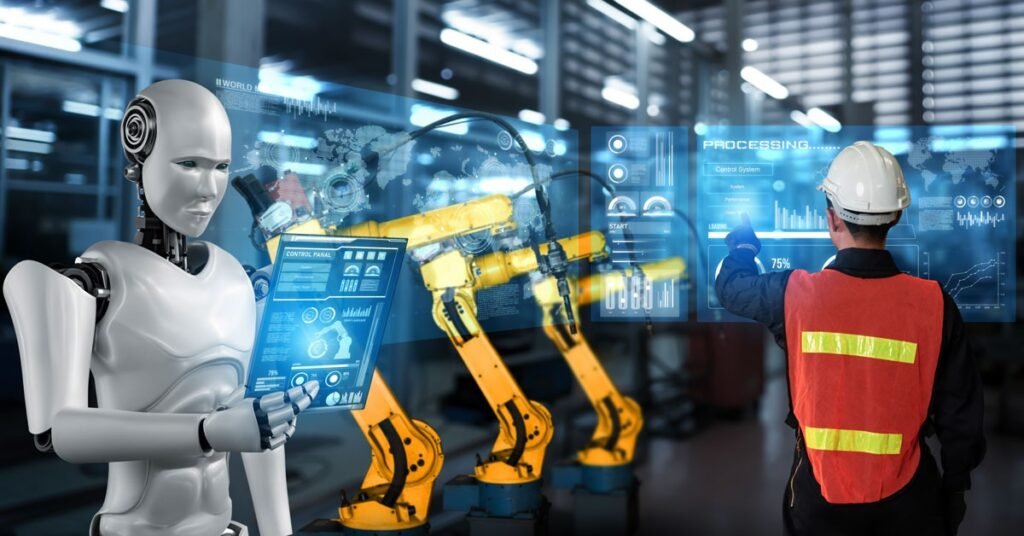
- Industrial robot arms assembling products
- Surgical robots assisting doctors
- Cleaning robots used in homes
While automation focuses on processes, robotics focuses on machines that interact with the physical world.
How Automation and Robotics Work Together
Automation and robotics often work side by side. Automation provides the instructions, while robots carry out the actions.
A typical system includes:
- Sensors to collect information from the environment
- Software to process data and make decisions
- Controllers to send commands
- Machines or robots to perform the task
For example, in a factory, sensors detect a product on a conveyor belt. The system processes this information and signals a robotic arm to pick and place the item. This entire process happens automatically and continuously.
Key Applications Across Industries
Automation and robotics are used in almost every major industry. Their role continues to grow as technology improves.
Manufacturing
Manufacturing was one of the first industries to adopt these technologies. Today, factories use automated systems for:
- Assembly lines
- Product packaging
- Quality inspection
These systems improve production speed and reduce errors.
Healthcare
In healthcare, precision and reliability are critical. Robotics and automation help by:
- Assisting in complex surgeries
- Automating lab tests
- Monitoring patients
These tools support medical professionals and improve patient outcomes.
E-commerce and Logistics
Online businesses rely heavily on automation. Warehouses use robots to manage inventory and fulfill orders quickly.
Common uses include:
- Automated order processing
- Robotic picking systems
- Delivery route optimization
This allows companies to handle large volumes of orders efficiently.
Home and Daily Life
Automation is no longer limited to industries. It is now part of everyday life.
Examples include:
- Smart thermostats that adjust temperature automatically
- Voice assistants controlling devices
- Robot vacuum cleaners
These technologies make daily tasks easier and more convenient.
Benefits of Automation and Robotics
The growing adoption of automation and robotics is not without reason. They offer several clear advantages.
One major benefit is increased efficiency. Machines can work faster than humans and complete tasks in less time.
Another advantage is cost reduction. Although initial setup may be expensive, businesses save money in the long run by reducing labor costs.
Accuracy is also improved. Machines follow instructions precisely, which minimizes errors.
Additionally, these systems can operate continuously without breaks, leading to higher productivity.
Challenges and Limitations
Despite their benefits, automation and robotics come with certain challenges.
The most common concern is the high initial investment. Setting up automated systems can be expensive, especially for small businesses.
Another issue is the need for technical skills. Operating and maintaining these systems requires trained professionals.
There is also concern about job displacement. As machines take over repetitive tasks, some roles may become less relevant.
Finally, systems require regular maintenance and updates to function properly.
Practical Tips to Get Started
If you are interested in learning this field, the good news is that you don’t need advanced knowledge to begin. A structured approach can help you progress steadily.
Start by learning basic concepts such as programming and problem-solving. Languages like Python are widely used and beginner-friendly.
Next, explore simple tools and platforms that allow you to build small automation projects. Hands-on experience is essential.
You can also study real-world applications to understand how industries use these technologies.
Here are a few practical steps:
- Begin with basic programming
- Watch tutorials and follow guided projects
- Experiment with small automation tools
- Build simple projects like chatbots or mini robots
Consistent practice will help you gain confidence.
Common Mistakes to Avoid
Many beginners make avoidable mistakes when starting out.
One common issue is trying to learn everything at once. This often leads to confusion and frustration.
Another mistake is focusing only on theory. Without practical work, it becomes difficult to understand real applications.
Some learners also rely too much on copying projects instead of building their own.
To avoid these problems, focus on learning step by step and apply what you learn regularly.
The Future of Automation and Robotics
The future of this field looks promising. As technology continues to evolve, automation and robotics will become even more advanced.
We are already seeing developments such as:
- AI-powered robots that can learn and adapt
- Self-driving vehicles
- Fully automated smart factories
These innovations will create new opportunities and change how industries operate.
Rather than replacing humans entirely, these technologies are more likely to transform jobs and create new roles that require advanced skills.
Best Practices for Success
To succeed in this field, it is important to follow a few key practices.
Focus on solving real problems instead of just learning tools. This approach builds practical skills.
Stay updated with the latest trends and technologies. The field evolves quickly, and continuous learning is essential.
Finally, combine knowledge from different areas such as programming, electronics, and data analysis. This combination will make you more valuable in the job market.
Conclusion
Automation and robotics are no longer optional technologies. They are essential tools driving efficiency and innovation across industries.
Understanding how they work can open new career opportunities and help you stay ahead in a rapidly changing world.
If you are just starting, take small steps, practice regularly, and focus on building real skills. With time and effort, you can become part of this exciting and growing field.